Beira-Mar Winery
Adega Beira-Mar was built in 1944 by António Bernardino da Silva Chitas Júnior, father of Paulo da Silva, on a plot of land located next to the road that connects Praia das Maças to Azenhas do Mar.
History
The author of the project was Arch. Manuel Joaquim Norte Júnior (1878-1962), the same as the Adega Visconde de Salreu, a few years earlier, in Colares.
The construction of the building was in charge of a mason from Fontanelas. It began with the cleaning of the land with the support of hackers who removed the stone, then used for the work.
The excavation of the area where the winery was implanted took some time, because during the week they could only count on the help of men, a cart and a donkey. Only on weekends they had a van that transported the wines from Colares to Lisbon.
In a first phase, the winery was built on hard floors, with a rectangular floor plan measuring about 15 meters in length, expanded by another 5 meters at the initiative of Paulo da Silva’s mother. As was customary at the time, bottles and money for the future were buried in one of the corners of the cellar.
The roof structure had the collaboration of Arnaldo Estrela, carpenter from Azenhas do Mar.
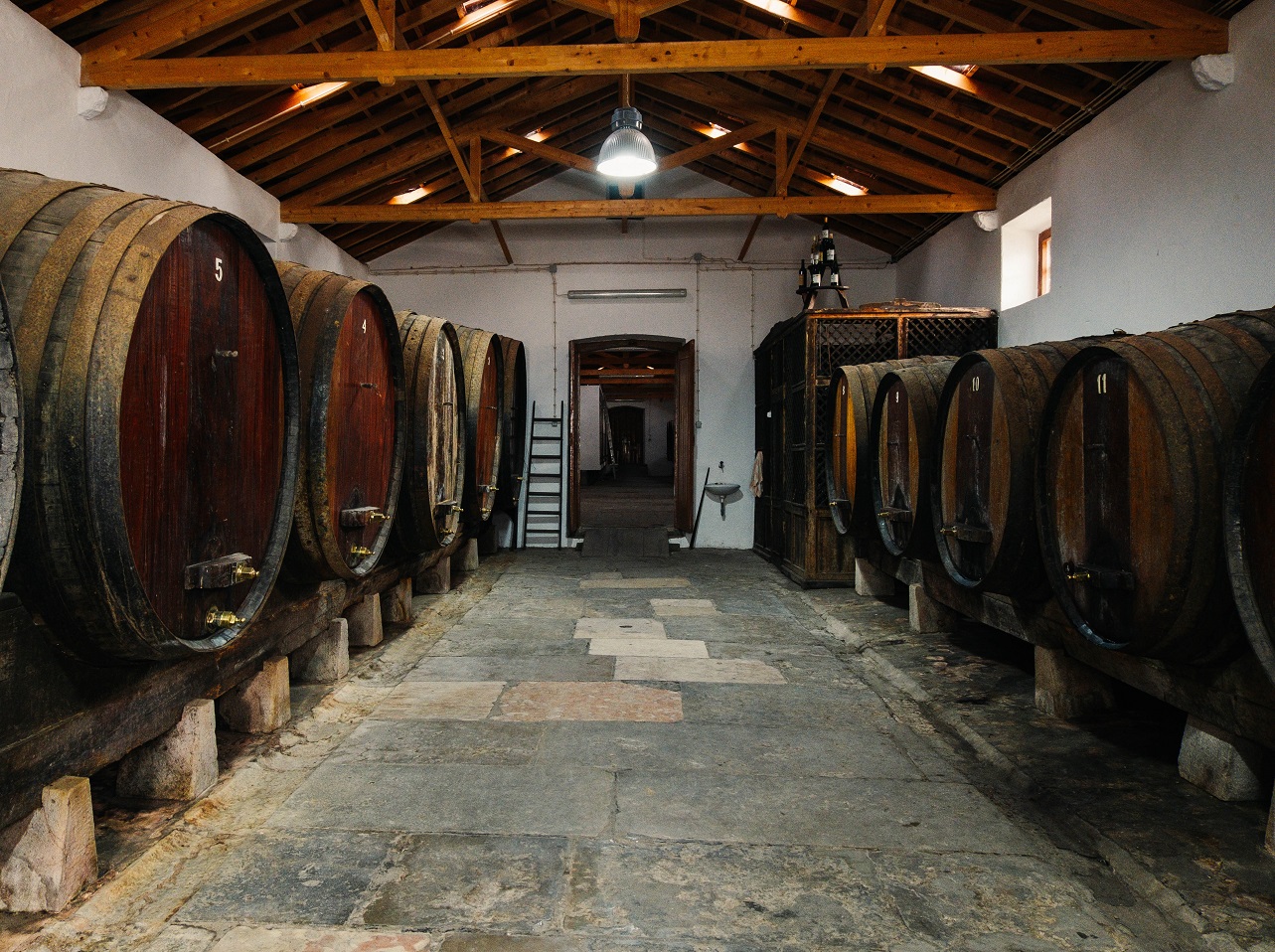
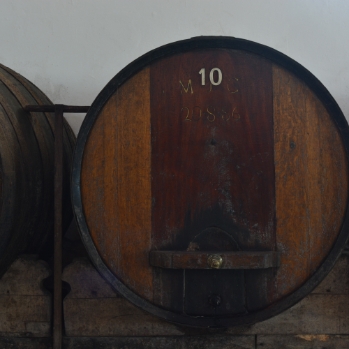
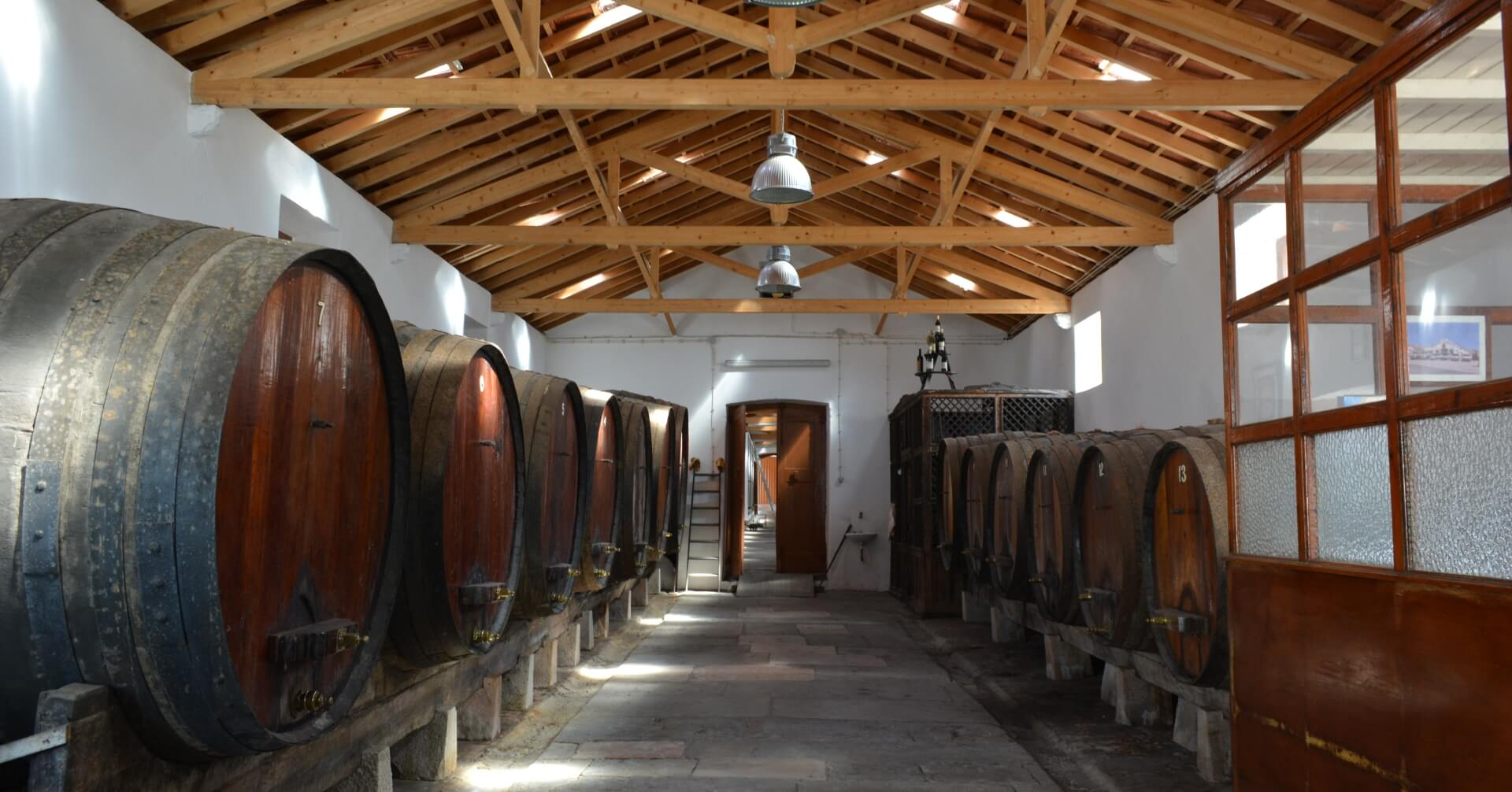
Subsequently, the vessel was assembled for storage and aging of the wines. Some of the barrels were acquired at the time and, in 1946, other barrels that had belonged to Paulo da Silva’s grandfather were installed there.
The winery was surrounded by vines with hard floors and sand protected by reeds. Paulo da Silva’s father came to buy these properties, gathering all these lands.
As the law of the time did not allow making new wine where old wine was stored, it was necessary to build a new area in the cellar destined exclusively for production.
The vats for making wine, which were previously abroad, moved to this space, where brandy was also stored in casks.


According to the law of the time, in addition to the wine in motion, it was mandatory to have a minimum storage capacity of 30,000 liters, later changing to 50,000 fixed liters (in the beginning it was 20,000 liters).
Over time, the configuration of Adega Beira-Mar has faced the challenges of the requirement of minimum reserves and a growing wine market.
In 1955, a new law was passed (nº 40,036, January 1955) that obliged wineries to increase the minimum stock from 50,000 to 100,000 fixed liters, as a reserve. The wineries had three years to comply with this guideline.
It was at that time that a new wing of the cellar was built, with wooden barrels, cement deposits and underground deposits.
Master Mário Faria, from Carreiras, Torres Vedras, was the one who built the deposits with an iron and cement structure.
In 1957, the cellar already had the capacity to store 100,000 liters.
Only later, the winery started to have piped water and a machine was purchased to wash the containers, which until then was done abroad with water brought from a fountain in Colares.
Then, at a fair in Versailles (Paris), Paulo da Silva bought another machine and two small carts to transport containers.

In the 1960s, part of the land adjacent to the winery was purchased to expand the existing storage area.
In 1965, a new law (nº 46,868) came to demand a further increase in the minimum stock from 200,000 to 300,000 fixed liters.
Later, Adega Beira-Mar also adapted to the changes that occurred with the revolution of April 1974, with an impact on changing policies regarding the production and storage of wines.
Considered a priority since always, the building and its interior have been preserved, as well as the old noble wood vats and the various wine deposits.
To improve conditions at the Garrafeira, divisions were created to separate red and white wines and their respective brands. Sections were individualized for the aging of Ramisco and Malvasia de Colares wines, specific to this region. Ramisco red wines require a minimum aging period of 18 months in wooden containers and 6 months in bottle. Malvasia white wines must be aged for 6 months in wooden containers and 3 months in bottle.
Also with a modernization perspective, in 2000, new wooden barrels and other equipment were acquired, which were placed in the second wing of the cellar.
In 2017, the roof structure was completely redone respecting the original design, with the aim of preserving the characteristic atmosphere of the winery.
The atmosphere of Adega Beira-Mar exudes its history and inspires a good wine connoisseur.
Stone floor
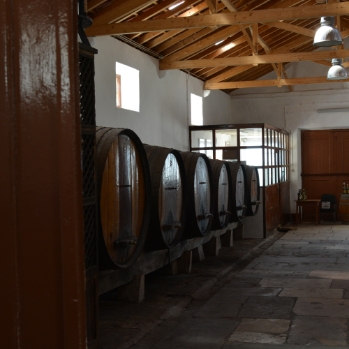
The stone that makes up the cellar floor was purchased by Paulo da Silva’s father in Lisbon. It came from the terraces of the old buildings that were being torn down in the area where Praça de Espanha is today.

Cellar
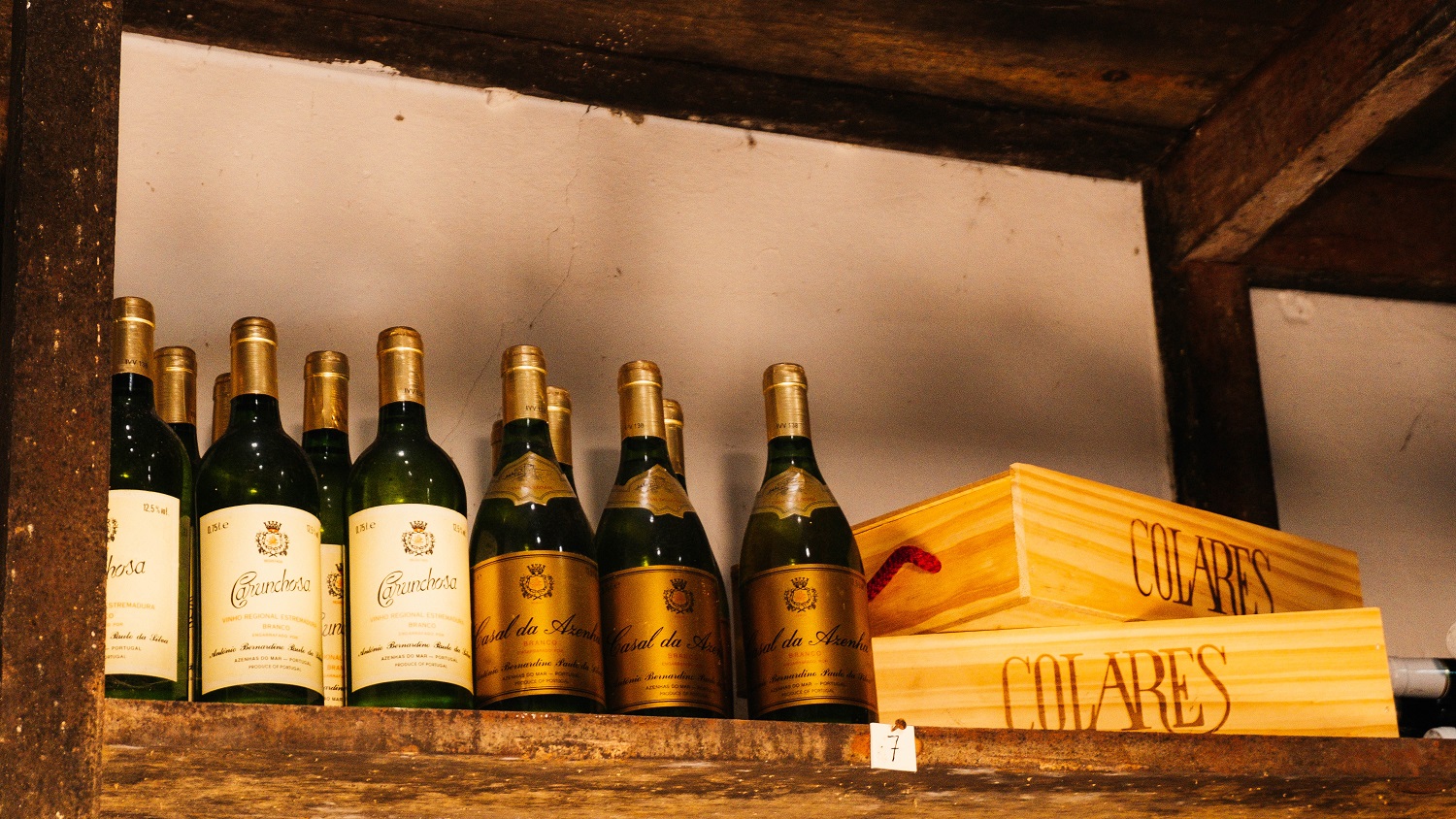
Area built right at the beginning of the cellar, in 1944, for the parking of bottles of red and white wines.
In this area, a set of dividers separate stacks of wine bottles by typology and by years. (ex: Colares 2010 / Colares 2012 / Colares white 2019 / Ribamar red 2016 / Paulo da Silva 2016)
Here the wine is horizontal, resting/staged, with the cork wet. In this way, the cork swells, sealing off the entry of oxygen, thus helping to ensure the quality of the wine.
Shop
Space for the sale of wine to the public.
Previously, it functioned as the Brandy Area and Production Area.
Underground deposits
In 1957, three underground tanks with around 20,000 liters each were built.
Exterior
At the beginning of the cellar, the vats and vats for making the wine were outside the building.
The bottles were also washed outside, next to a stone block, where the water brought from a fountain in Colares was kept.
The land surrounding Adega Beira-Mar has vines planted on sandy soil. These vineyards can be visited.
Laboratory
The quality of the wines depends on accurate laboratory work in a specific space.
Meeting room
In this room, meetings of wine connoisseurs and work meetings take place.
From your window, you can see the proximity of the Atlantic Ocean, which marks so much the specificity of the region’s wines, and Cabo da Roca, the westernmost point of Europe.
Beira-Mar Winery
Adega Beira-Mar was built in 1944 by António Bernardino da Silva Chitas Júnior, father of Paulo da Silva, on a plot of land located next to the road that connects Praia das Maças to Azenhas do Mar.
History
The author of the project was Arch. Manuel Joaquim Norte Júnior (1878-1962), the same as the Adega Visconde de Salreu, a few years earlier, in Colares.
The construction of the building was in charge of a mason from Fontanelas. It began with the cleaning of the land with the support of hackers who removed the stone, then used for the work.
The excavation of the area where the winery was implanted took some time, because during the week they could only count on the help of men, a cart and a donkey. Only on weekends they had a van that transported the wines from Colares to Lisbon.
In a first phase, the winery was built on hard floors, with a rectangular floor plan measuring about 15 meters in length, expanded by another 5 meters at the initiative of Paulo da Silva’s mother. As was customary at the time, bottles and money for the future were buried in one of the corners of the cellar.
The roof structure had the collaboration of Arnaldo Estrela, carpenter from Azenhas do Mar.
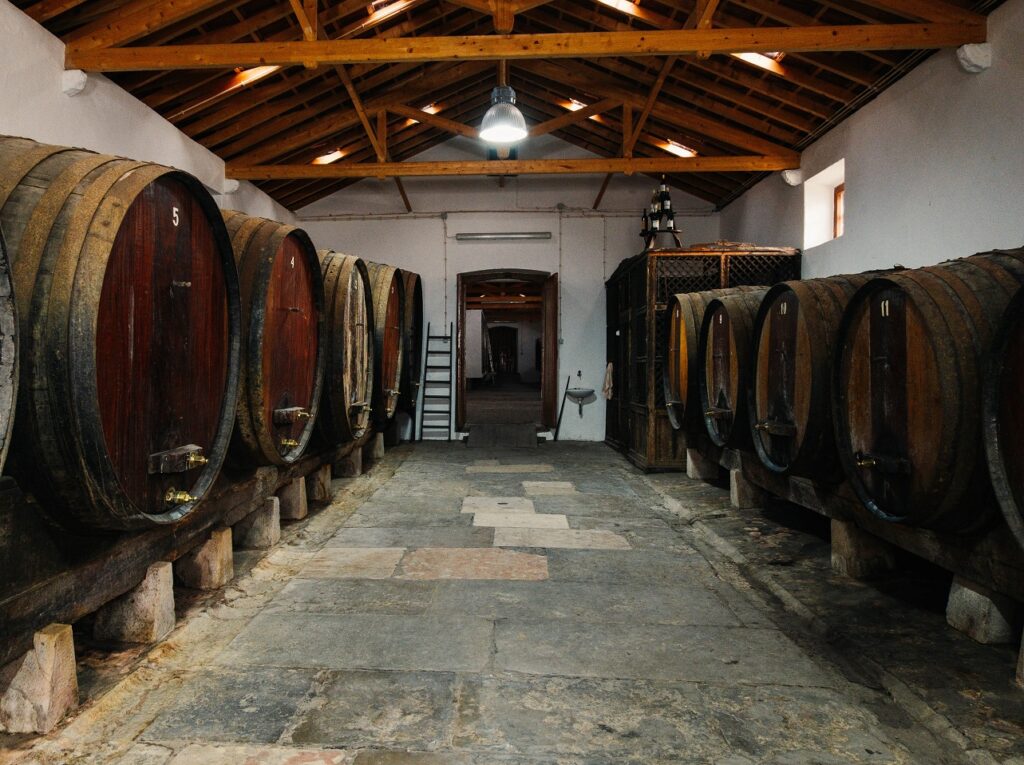
Subsequently, the vessel was assembled for storage and aging of the wines. Some of the barrels were acquired at the time and, in 1946, other barrels that had belonged to Paulo da Silva’s grandfather were installed there.
The winery was surrounded by vines with hard floors and sand protected by reeds. Paulo da Silva’s father came to buy these properties, gathering all these lands.

As the law of the time did not allow making new wine where old wine was stored, it was necessary to build a new area in the cellar destined exclusively for production.
The vats for making wine, which were previously abroad, moved to this space, where brandy was also stored in casks.

According to the law of the time, in addition to the wine in motion, it was mandatory to have a minimum storage capacity of 30,000 liters, later changing to 50,000 fixed liters (in the beginning it was 20,000 liters).
Over time, the configuration of Adega Beira-Mar has faced the challenges of the requirement of minimum reserves and a growing wine market.
In 1955, a new law was passed (nº 40,036, January 1955) that obliged wineries to increase the minimum stock from 50,000 to 100,000 fixed liters, as a reserve. The wineries had three years to comply with this guideline.
It was at that time that a new wing of the cellar was built, with wooden barrels, cement deposits and underground deposits.

Master Mário Faria, from Carreiras, Torres Vedras, was the one who built the deposits with an iron and cement structure.
In 1957, the cellar already had the capacity to store 100,000 liters.
Only later, the winery started to have piped water and a machine was purchased to wash the containers, which until then was done abroad with water brought from a fountain in Colares.
Then, at a fair in Versailles (Paris), Paulo da Silva bought another machine and two small carts to transport containers.
In the 1960s, part of the land adjacent to the winery was purchased to expand the existing storage area.
In 1965, a new law (nº 40.868) came to demand a further increase in the minimum stock from 100,000 to 300,000 fixed liters.
Later, Adega Beira-Mar also adapted to the changes that occurred with the revolution of April 1974, with an impact on changing policies regarding the production and storage of wines.
Considered a priority since always, the building and its interior have been preserved, as well as the old noble wood vats and the various wine deposits.
To improve conditions at the Garrafeira, divisions were created to separate red and white wines and their respective brands. Sections were individualized for the aging of Ramisco and Malvasia de Colares wines, specific to this region. Ramisco red wines require a minimum aging period of 18 months in wooden containers and 6 months in bottle. Malvasia white wines must be aged for 6 months in wooden containers and 3 months in bottle.
Also with a modernization perspective, in 2000, new wooden barrels and other equipment were acquired, which were placed in the second wing of the cellar.
In the year ?, the roof structure was completely redone respecting the original design, with the aim of preserving the characteristic atmosphere of the cellar.
The atmosphere of Adega Beira-Mar exudes its history and inspires a good wine connoisseur.
In the 1960s, part of the land adjacent to the winery was purchased to expand the existing storage area.
In 1965, a new law (nº 46,868) came to demand a further increase in the minimum stock from 200,000 to 300,000 fixed liters.
Later, Adega Beira-Mar also adapted to the changes that occurred with the revolution of April 1974, with an impact on changing policies regarding the production and storage of wines.
Considered a priority since always, the building and its interior have been preserved, as well as the old noble wood vats and the various wine deposits.
To improve conditions at the Garrafeira, divisions were created to separate red and white wines and their respective brands. Sections were individualized for the aging of Ramisco and Malvasia de Colares wines, specific to this region. Ramisco red wines require a minimum aging period of 18 months in wooden containers and 6 months in bottle. Malvasia white wines must be aged for 6 months in wooden containers and 3 months in bottle.
Also with a modernization perspective, in 2000, new wooden barrels and other equipment were acquired, which were placed in the second wing of the cellar.
In 2017, the roof structure was completely redone respecting the original design, with the aim of preserving the characteristic atmosphere of the winery.
The atmosphere of Adega Beira-Mar exudes its history and inspires a good wine connoisseur.


Stone floor
The stone that makes up the cellar floor was purchased by Paulo da Silva’s father in Lisbon. It came from the terraces of the old buildings that were being torn down in the area where Praça de Espanha is today.

Stone floor
Area built right at the beginning of the cellar, in 1944, for the parking of bottles of red and white wines.
In this area, a set of dividers separate stacks of wine bottles by typology and by years. (ex: Colares 2010 / Colares 2012 / Colares white 2019 / Ribamar red 2016 / Paulo da Silva 2016)
Here the wine is horizontal, resting/staged, with the cork wet. In this way, the cork swells, sealing off the entry of oxygen, thus helping to ensure the quality of the wine.

Stone floor
Area built right at the beginning of the cellar, in 1944, for the parking of bottles of red and white wines.
In this area, a set of dividers separate stacks of wine bottles by typology and by years. (ex: Colares 2010 / Colares 2012 / Colares white 2019 / Ribamar red 2016 / Paulo da Silva 2016)
Here the wine is horizontal, resting/staged, with the cork wet. In this way, the cork swells, sealing off the entry of oxygen, thus helping to ensure the quality of the wine.

Underground deposits
In 1957, three underground tanks with around 20,000 liters each were built.
Exterior
At the beginning of the cellar, the vats and vats for making the wine were outside the building.
The bottles were also washed outside, next to a stone block, where the water brought from a fountain in Colares was kept.
The land surrounding Adega Beira-Mar has vines planted on sandy soil. These vineyards can be visited.
Laboratory
The quality of the wines depends on accurate laboratory work in a specific space.

Meeting room
In this room, meetings of wine connoisseurs and work meetings take place.
From your window, you can see the proximity of the Atlantic Ocean, which marks so much the specificity of the region’s wines, and Cabo da Roca, the westernmost point of Europe.

Storage